A search that starts before you arrive
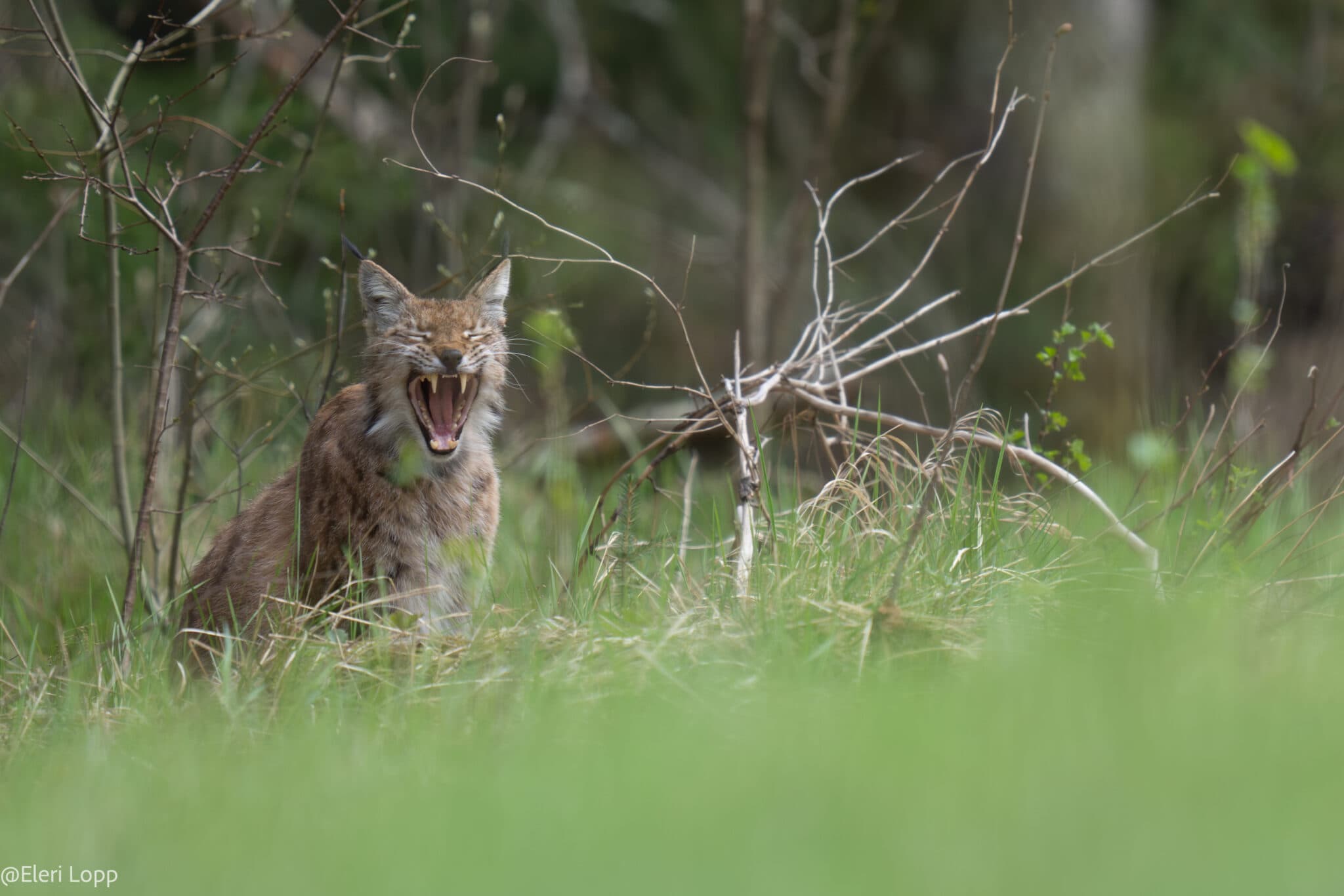
A wild lynx can live close to people and still pass almost entirely unseen. Finding one takes time, patience and a reason to be in the right place.
Our search starts before your flight lands. Trail cameras remain in the field throughout the year, and winter tracking helps us understand which animals use the ground around our forest base. When you arrive, we are working from recent records, tracks and familiar territories.
This seven-day Eurasian lynx tour shares that work with a small group. We follow fresh information, spend time in the forest and search its edges after dark. Up to six evening and night sessions are built into the week, with the first depending on your arrival time.
No bait. No feeding stations. No lures. Lynx sightings cannot be guaranteed.
Why this week is different
Year-round monitoring
Our cameras, winter tracks and repeated visits help us build a picture of local lynx activity. The information gathered before and during your stay shapes where we search.
A small group, close to the guide
Four to six guests travel in one vehicle, with a window seat for everyone. You book directly with the local team doing the fieldwork and guiding the trip.
Wild behaviour
We work with places lynx choose to use. We do not put out food or use lures to bring animals to us.
A forest base
You stay in forest cabins on and around ground where lynx have been recorded. You unpack once and return to the same base throughout the week.
Who you are travelling with
Eleri Lopp is your local nature guide. Her work in these forests combines wildlife observation, trail-camera monitoring and winter tracking. During the week she shares how that field knowledge informs the search, and what the evidence can — and cannot — tell us.
You are travelling with someone who knows the ground before the group arrives, and keeps working here after it leaves.
Tracks, cameras, thermal optics and patience
Thermal scanning:
after sunset we travel slowly along suitable roads, checking forest edges, fields and movement corridors with thermal optics. A warm shape is the beginning of an identification, not a confirmed lynx.
Tracks and signs:
daylight walks help us read recent movement when ground conditions allow. Snow can reveal a great deal, but it is not guaranteed.
Trail cameras:
we review records together and use them alongside tracks and field observations to plan the next session.
Quiet watches:
when recent evidence points to a suitable crossing, there may be an opportunity to sit quietly and watch in daylight.
The itinerary follows the animals, not the calendar.
A planned rhythm, with room to follow fresh evidence
The programme below shows how the week can unfold. The order, locations and timing change with recent lynx activity, weather, snow and the needs of the group. Lahemaa and Matsalu are possible excursions, not guaranteed stops.
We meet you in Tallinn and travel to the forest cabins. After settling in and a meal, we introduce lynx behaviour, our search methods and the equipment. If arrival time allows, we head out for a first evening session.
A daylight walk introduces tracks, marking sites, prey and movement corridors. We review trail-camera records together and use the latest information to choose the evening search area.
We explore the forest and its edges, looking for the animals and habitats that shape a lynx territory. There may be a quiet watch if conditions suit. In the evening we search a sector selected from the evidence gathered so far.
We may explore Lahemaa or another suitable search area, combining forest and coastal wildlife with a different landscape for the evening session. If the freshest activity is closer to the base, we stay local.
This day is deliberately open. Recent camera records and tracks may keep us on our core ground or take us to another lynx area. Matsalu is an option when weather, bird activity and travel time make it worthwhile. Any longer excursion is planned around the evening search and enough rest.
We bring together the week’s records and observations, check cameras where useful and choose the most promising area. A lighter daytime programme leaves time to rest before the final full evening. A longer session is possible if conditions and the group allow.
Over breakfast we review the species list, selected camera records and what we learned about local lynx movement. Then we return to Tallinn, with transfer arrangements agreed for the group.
The shape of a day
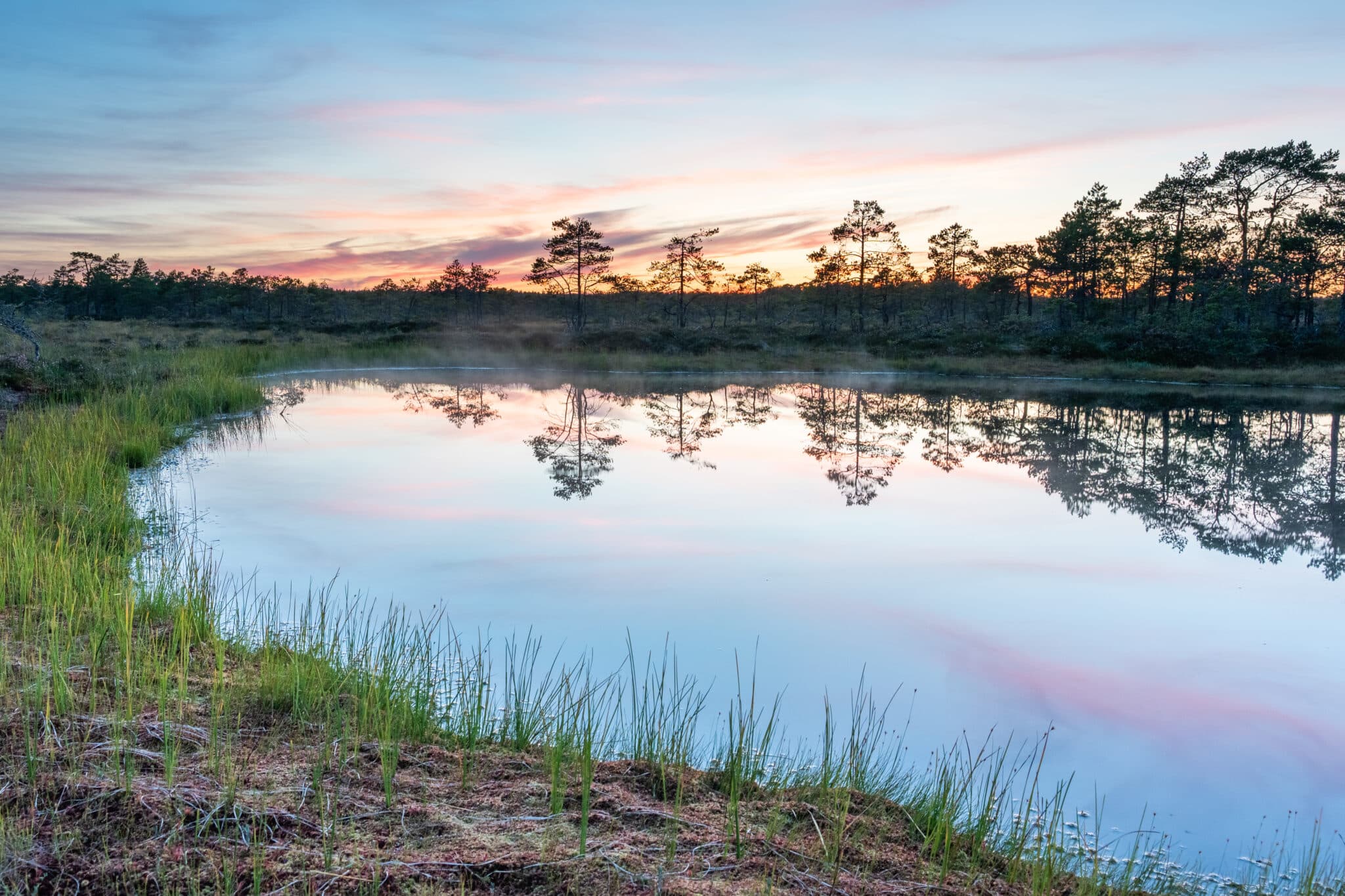
Late breakfasts and daytime walks are followed by the main meal in the early afternoon. There is time to rest before we leave around dusk. Evening searches often continue until midnight, sometimes later when the conditions and the group make that worthwhile. Hot soup and tea come with us.
Wait where a lynx has actually been
Sometimes the best option is to stay still. If recent camera records and tracks suggest a suitable crossing, two guests may spend a few daylight hours sitting quietly there.
No bait and no feeding station: just a place a wild lynx has chosen to use. We explain the evidence before you settle in, provide an insulated seat, warm covering and a hot drink, and agree a collection time.
This is an optional opportunity, arranged when conditions allow. It can involve a long, quiet wait without a lynx appearing. Watching the forest settle around you is part of the experience.
More of the forest
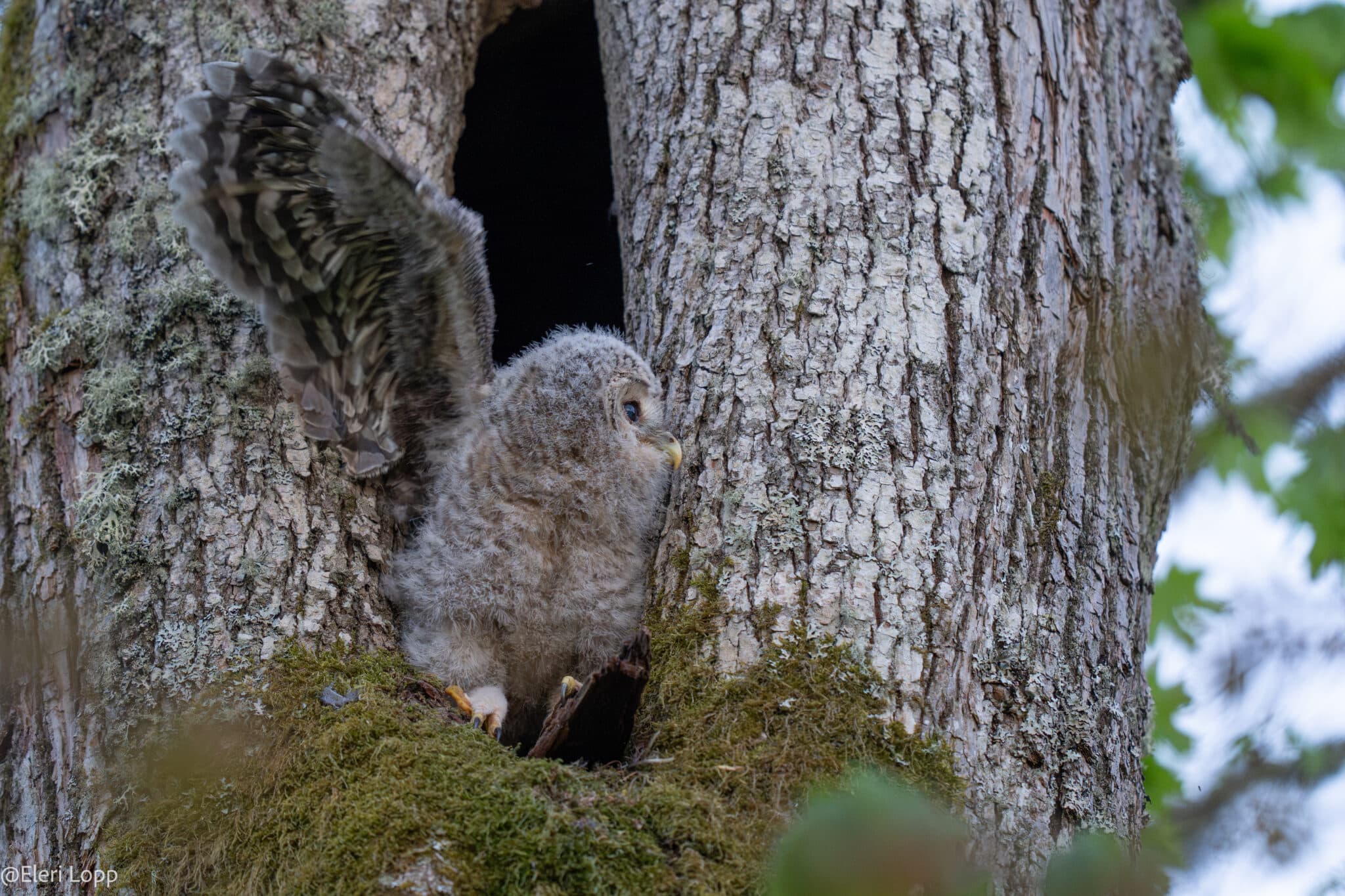
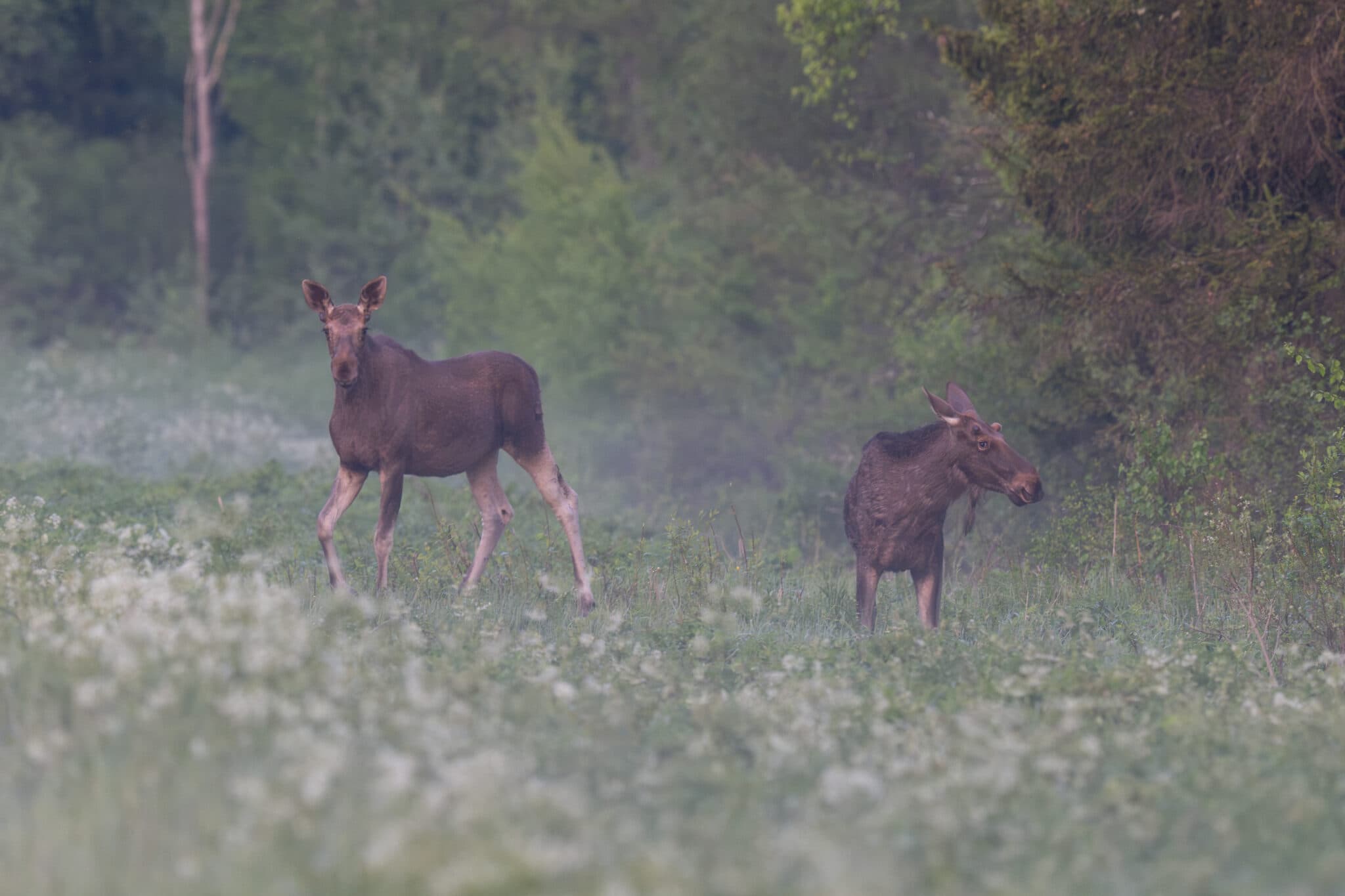
Lynx are the focus, but the wider wildlife adds to the week: moose, roe deer, red fox, wild boar and other forest mammals; owls, woodpeckers and forest grouse; and eagles and coastal birds when we visit the coast. Encounters vary with conditions and season.
Mammals: raccoon dog, pine marten, mountain hare, brown hare and red squirrel. More elusive possibilities include wolf, badger, beaver, otter, stoat, least weasel and American mink. Golden jackal and an early-active brown bear are additional possibilities, not targets or promised sightings.
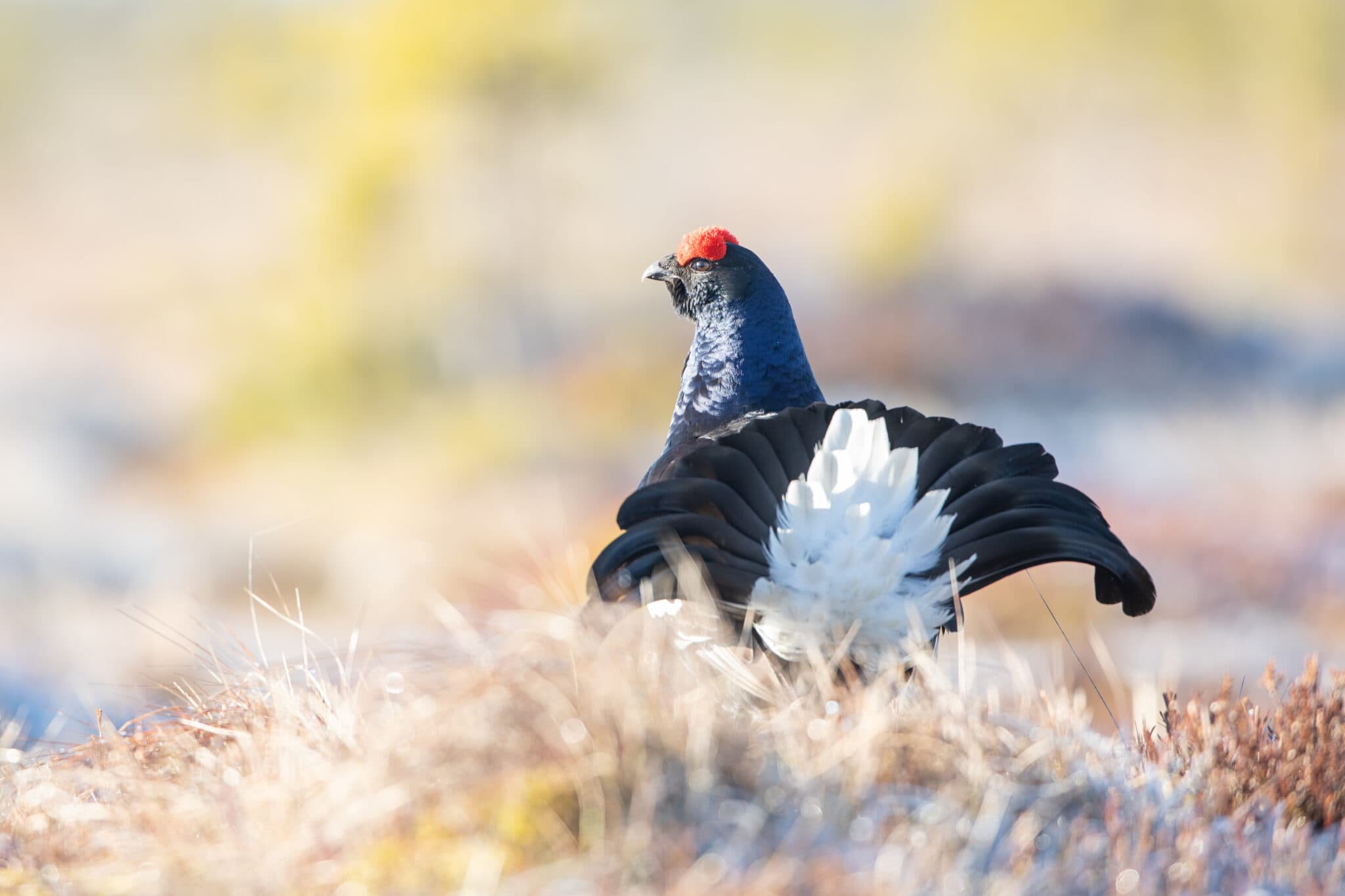
Owls and grouse: Ural owl, pygmy owl, tawny owl and long-eared owl; with luck, northern hawk owl. Capercaillie, black grouse and hazel grouse.
Woodpeckers: black, white-backed, three-toed, grey-headed, great spotted, middle spotted and lesser spotted woodpecker.
Forest and farmland birds: white-tailed eagle, golden eagle, goshawk, rough-legged buzzard, great grey shrike, raven, nutcracker, crested tit, willow tit, bullfinch, waxwing and crossbills. Pine grosbeak is an occasional winter visitor.
Coastal birds and spring arrivals: sea ducks, swans and geese may be present. The first cranes, lapwings, skylarks and starlings depend on the timing of spring.
You receive a species list and trip report after the week, including whether lynx were seen.
Stay inside lynx country
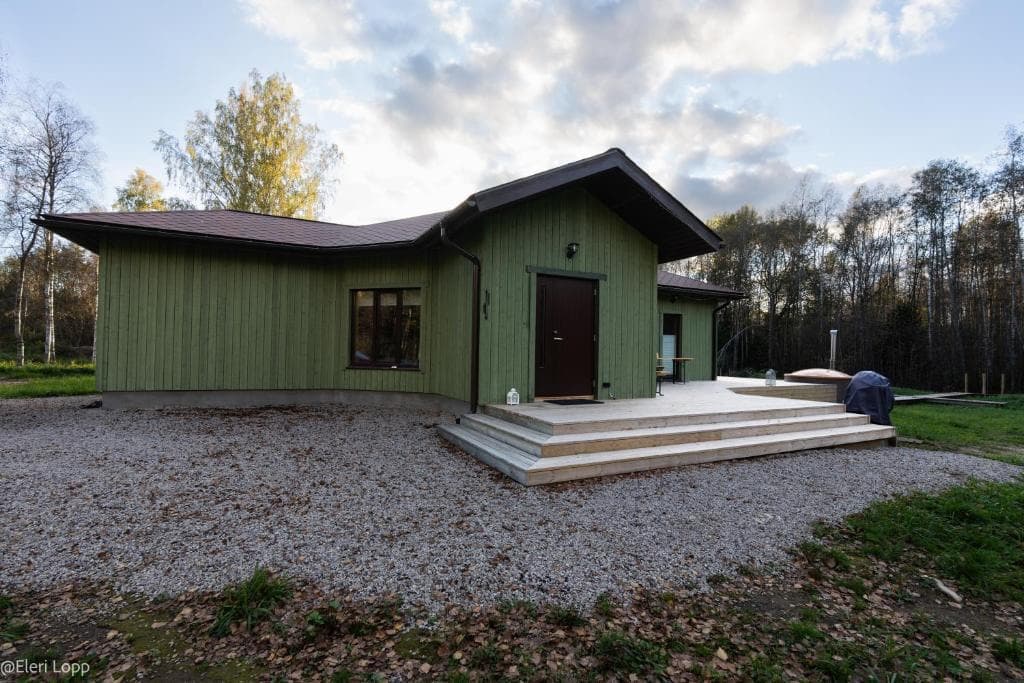
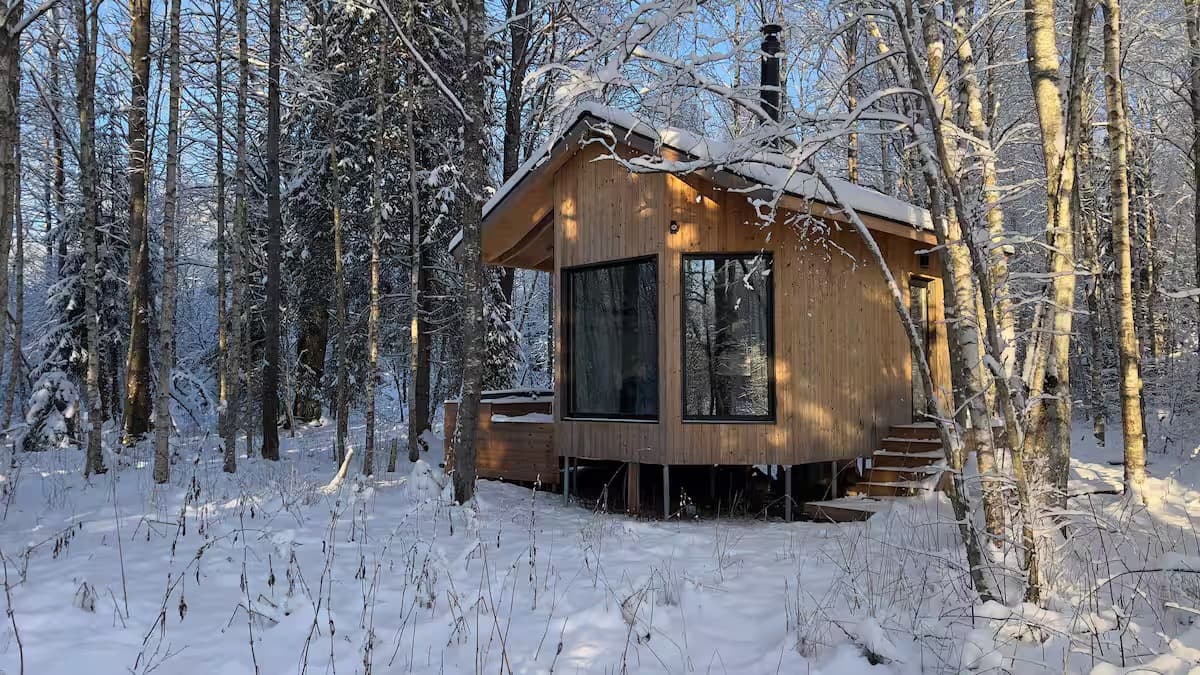
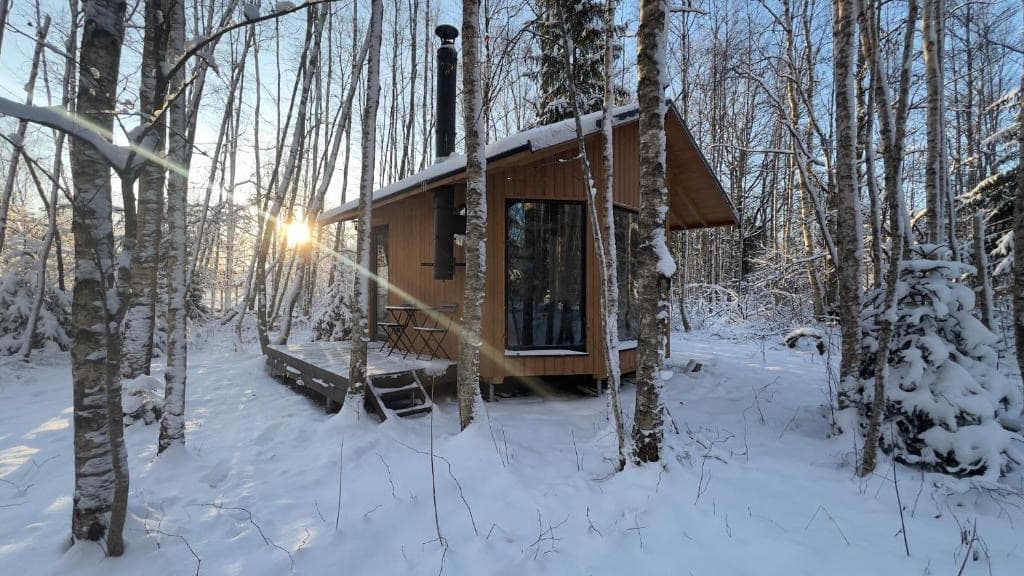
Three forest cabins form our base: Lynx Den, Bear Cave and Wolf Den. Two guests share a cabin as standard, with separate beds. Solo travellers can share without an automatic single supplement.
You unpack once. All meals are included, and the sauna and hot tub are part of the stay.
Private cabin occupancy can be requested, subject to availability and a supplement. Friends who would prefer to stay together can discuss the cabin arrangement when booking. The tour group remains limited to six.


From €1,750 per person, land only
The price depends on the final group size and is based on two guests sharing a cabin. A departure needs at least four guests.
| Group size | Per person |
|---|---|
| 6 guests | €1,750 |
| 5 guests | €2,050 |
| 4 guests | €2,350 |
Included: six nights in a forest cabin; all meals during the programme; hot soup and tea on outings; transfers from and to Tallinn; transport during the tour; guiding; thermal equipment for the search; trail-camera review sessions; sauna and hot tub; a species list and trip report afterwards.
Not included: flights or ferries; travel insurance; drinks with meals; personal equipment; any private-occupancy supplement.
Private cabin occupancy: €450 supplement, subject to availability and confirmation. You do not need to pay this simply because you travel alone and are happy to share.
Planned departures: 1–7 March 2027 and 17–23 March 2027.
Your own dates: private groups of four to six can enquire about a tailored departure, subject to season and availability. The same group-size pricing applies. Please contact us before booking flights.
Enquire about this tripRead this before you book
A strong chance of seeing lynx — and a week full of wildlife.
We estimate your chance of seeing a wild lynx during the week at around 98%. That is our guiding estimate, rather than a published success rate for these departures. It reflects the field knowledge and monitoring behind the search, but a wild animal can never be promised: there remains a chance that we will not see a lynx.
There can be long, quiet hours in a slowly moving vehicle after dark. The experience asks for patience and may be tiring or uncomfortable.
The rhythm is unusual: late breakfasts, afternoon rest and searches that often continue until midnight. Please consider whether this suits you.
March can be cold, especially when sitting still or watching through open windows. Snow may be deep, patchy or absent. Detailed clothing and equipment guidance is provided before travel.
This is a wildlife-watching trip, not a photography tour or workshop. Daylight lynx encounters are possible: we estimate that around 25% of our lynx sightings take place in daylight. These encounters may offer an opportunity for photographs, but light, distance, duration and the animal’s behaviour determine what is possible. Neither a daylight sighting nor a particular photograph can be guaranteed.
Whatever happens with lynx, we guarantee that you will see other wild birds and animals during the week. The exact species and encounters vary, but this is a wildlife experience throughout — with time to observe the forest, its inhabitants and the signs they leave behind. We adapt to weather and animal activity, and report honestly on what the week produces.
Enquire about Lynx Country
Tell us your preferred departure, how many people are travelling and whether you would like to share a cabin. We will confirm availability, the applicable group price and the booking terms before you commit.
Please wait for written confirmation before booking non-refundable travel. Travel insurance including cancellation cover is required.
We will reply within two working days.