Bear Watching in Estonia: What to Expect as a First-Timer
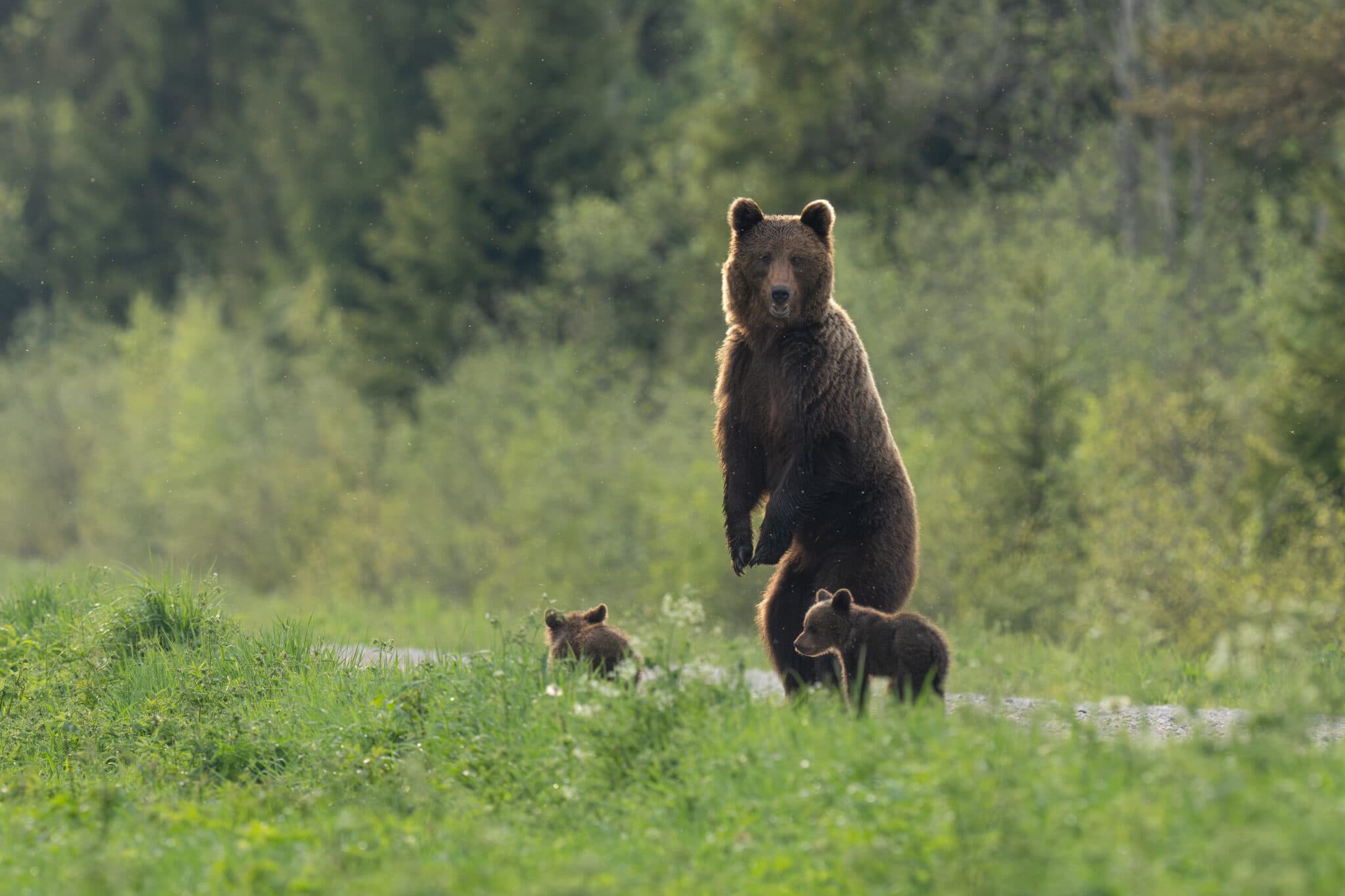
You've never done wildlife watching before. You're not sure what "hide" means. You don't know how long you'll be sitting still. You're hoping for a sighting but not sure what happens if you don't get one. This post is for you.
Before You Even Arrive: What to Know
Estonia has approximately 1,000 wild brown bears. Unlike some European countries where bear populations are carefully managed in specific reserves, Estonia's bears roam freely across large forested areas — including Harjumaa, where Naturestonia operates.
This matters because what you're doing is genuine wildlife observation, not a managed wildlife encounter. The bears you'll see are not fed, not habituated to humans in any controlled way, and not guaranteed to appear on schedule. This is both the honest disclaimer and the reason the experience is worth doing.
Arriving: The Briefing
Your session begins with a briefing from your guide. This is not a formality — it's the part that makes everything that follows make sense.
- What to look for: bear behavior, how they move, what they eat at this time of year
- How to behave in the hide: why silence matters, what movements disturb animals, how to handle a camera without creating noise
- What the landscape looks like: so that when you're in the dark looking across a clearing, you already know where the likely approaches are
First-timers often say the briefing is when it stops feeling like a tour and starts feeling like something real.
Getting to the Hide
The walk to the hide is typically under 2km. You'll move slowly and quietly — this is when the guide is already reading signs in the environment, sometimes pointing things out without speaking: a track, a claw mark, a broken branch at the wrong height.
The hide itself is a permanent structure, positioned at a known bear movement corridor. It's comfortable — you can sit properly, move your arms, adjust your position. You settle in. The guide is beside you. The forest goes quiet.
Waiting — The Part Nobody Talks About Enough
Here's the honest part: wildlife observation involves waiting. Sometimes an hour. Sometimes two. Sometimes the first sign of a bear is a sound rather than a sight — a branch breaking, a change in the way the smaller animals behave.
First-timers often expect this to feel frustrating. Most report the opposite: that the waiting itself becomes the experience. The forest at dusk is extraordinarily active if you know how to watch it. The guide points things out quietly. You start noticing things you wouldn't have seen through a car window or a phone camera.
The Sighting
When a bear emerges, it usually does so gradually — a movement at the tree line that resolves slowly into a shape. Estonian bears are large animals. Seeing one twenty or thirty metres away, moving naturally, is a different category of experience from anything you'll see in a documentary.
The guide won't speak. You won't need to. Everything you do next is instinct — raise the camera slowly, adjust your breathing, watch.
Sessions run for up to 8 hours with a professional guide to give you the maximum possible window for a sighting. Sighting rates are high during peak season (May–October), with evenings in May and September particularly productive.
If There's No Sighting
It happens. Not often, but it happens. Wildlife is wild.
What you'll have instead: a full day in the Estonian forest — from dawn through dusk — guided by someone who has spent years learning this specific landscape. Most guests who don't see a bear still describe the experience as meaningful. A few book a second session. We haven't had anyone ask for their money back.
Practical Checklist for First-Timers
- Clothing: Dark or neutral colors. Layers. Waterproof boots even in summer.
- Electronics: Phone on silent, vibration off. Camera shutters on quiet mode if possible.
- Snacks: Small, quiet snacks for the hide. Avoid crinkly packaging.
- Insects: Bring repellent in summer. Mosquitoes are part of the Estonian summer experience.
- Attitude: Patient curiosity over outcome-focus. The guide is there to help — ask questions.
How to Book
Bear watching sessions at Naturestonia run year-round with best sighting probability May–October. Price is €250 per person for an 8-hour guided session. Many guests combine the session with a night in one of our forest cabins — no post-session drive, and a hot tub waiting when you return.
- Full details and booking: naturestonia.com/en/bear-watching-estonia
- Email: nature@naturestonia.com
- Phone: +372 5843 7752
- We respond the same day
Boek jouw avontuur
Boek jouw avontuurGerelateerde berichten
Estonia vs Finland for Wildlife Watching: An Honest Comparison
7 min gelezen · 03.04.2026
Lees meer →NatuurwandelingenWildlife Watching Near Tallinn: A Day Trip Guide
5 min gelezen · 02.04.2026
Lees meer →NatuurwandelingenEleri Lopp: Loodusgiid Eestis
5 min gelezen · 10.11.2025
Lees meer →